The Modern Guide to the Essential Elements of a Professional Lease Agreement
Published on Feb 4, 2026
A lease agreement is a legally binding contract between a landlord and tenant that outlines the terms of renting a property. A clear, detailed rental agreement protects your property, prevents expensive disputes, and ensures both landlord and tenant understand their rights from day one.
12 Essential Elements Every Lease Needs
1.
Clear Identification of Parties
List the full names and contact details of the landlord and all tenants. This ensures every occupant is legally responsible for the terms of the agreement.
2.
Detailed Property Description
Include the full address and unit number. Be specific about what is included, such as parking spaces, storage units, or access to shared amenities like a gym or laundry room.
3.
Lease Term
Specify if the lease is a fixed-term (e.g., 12 months) or month-to-month. Clearly state the start and end dates and the conditions for terminating the agreement.
4.
Rent Amount and Payment Terms
State the exact rent amount and when it is due. To avoid confusion, list accepted payment methods (like ACH or check) and late fee amounts.
5.
Security Deposit and Fees
Clearly define the security deposit amount and the specific conditions for deductions. Including a timeline for returning the deposit helps you comply with state-specific laws and builds trust with your tenant.
6.
Maintenance and Repair Duties
Don't leave "who fixes what" to chance. Define which repairs the landlord handles and which are the tenant's responsibility. Include a clear process for submitting non-emergency repair requests.
7.
Property Use Rules
Outline your policies on pets, smoking, and subletting. Setting these boundaries early prevents property damage and noise complaints.
8.
Utilities and Expenses
Clarify who pays for electricity, gas, water, trash, and internet.
9.
Landlord Entry Rights
To respect tenant privacy while protecting your property, specify when you can enter the property. Standard notice is typically 24-48 hours for inspections or repairs.
10.
Termination and Eviction Procedures
Outline conditions for terminating the lease and the specific grounds for eviction. This ensures you have a clear path forward if the agreement is violated.
11.
Insurance and Liability
Clearly define the liable party for damages and/or injury occurring on the property or the building it is part of. This can save both parties thousands of dollars in potential court fees.
12.
Signature Section
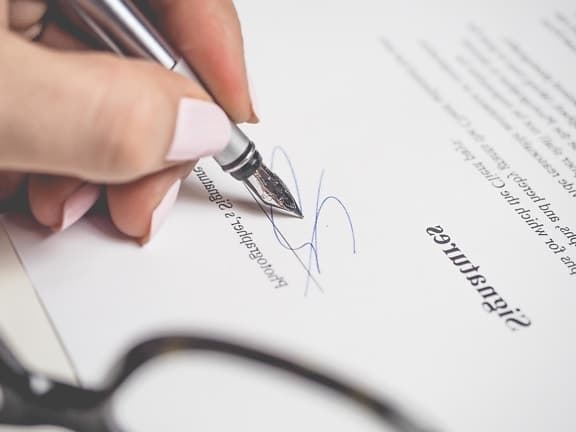
Provide signature lines for all parties and note if witnesses or notarization are required. The lease becomes binding once signed.
Legal Requirements and Mandatory Disclosures
Federal law requires landlords to disclose the presence of lead-based paint in residential properties built before 1978. Your lease must:
•
Include the EPA-mandated Lead-Based Paint Disclosure Form
•
Provide tenants with the EPA pamphlet "Protect Your Family From Lead in Your Home"
•
Disclose any known information or reports about lead hazards in the unit
•
Disclose any known lead hazards in the unit.
Your local state and county may have additional requirements. Check your local laws for specific disclosures and notices.
Types of Lease Agreements
1.
Fixed-Term Lease
A lease with a specific start and end date (commonly 6 or 12 months).
2.
Month-to-Month Lease
Renews automatically each month and offers maximum flexibility for both landlord and tenant.
3.
Room Rental Lease
Used when renting out a single room in a shared home. Covers private vs. shared spaces and guest policies.
4.
Sublease Agreement
Allows a tenant to rent the property to another person while remaining responsible for the original lease terms. Usually requires landlord approval.
5.
Commercial Lease
Used when renting to a business. Includes more complex terms related to use, rent structure, and maintenance responsibilities.
Making a Comprehensive Lease Agreement
A comprehensive lease agreement protects both landlords and tenants by clearly outlining expectations, legal requirements, and financial responsibilities. Whether you choose a fixed-term lease, month-to-month lease, sublease, or commercial lease, make sure your agreement complies with all state and federal laws, including mandatory disclosures for properties built before 1978.
Don't Guess: See Your Lease as You Build It
Most legal sites make you answer 50 questions before showing you a single word of your document. At Legal Opus, we do things differently.
•
Live Preview: Watch your lease update in real-time as you type.
•
Professional Quality: Access professional-quality templates, including NY-specific leases.
•
Flat Pricing: Professional documents starting at just $25. No subscriptions, no hidden fees.
Disclaimer: This guide is for informational purposes only and does not constitute legal advice.